The motorcycle scene in Malaysia is vibrant, with new models and brands emerging – from Indian Motorcycles’ re-introduction to the GWM Souo 2000 rivaling Honda Goldwing․
Why Build a Motorcycle Frame?
Embarking on building a motorcycle frame offers unparalleled customization, allowing riders to realize unique visions beyond factory options – mirroring the custom spirit seen at events like Art of Speed․ It’s a path to crafting a machine perfectly tailored to individual needs and aesthetic preferences, potentially saving costs compared to bespoke builds․ Furthermore, frame building is a deeply rewarding skill, fostering mechanical understanding and self-reliance, especially relevant with the evolving Malaysian motorcycle market featuring brands like ZXMoto and Aveta․
Legality and Regulations Regarding Frame Building
Constructing a motorcycle frame demands strict adherence to local regulations, varying significantly by region within Malaysia, mirroring the complexities of vehicle importation and CKD bike pricing increases․ Compliance with JPJ (Road Transport Department) standards is crucial for registration and road legality․ Modifications impacting structural integrity require thorough inspection, potentially necessitating professional engineering certification, ensuring safety alongside the growing range of new models like the Kawasaki Versys 1100․
Types of Motorcycle Frames & Blueprint Availability
Diverse frame designs – hardtail, swingarm, backbone, and monocoque – exist, though free monocoque plans are rare, like the unique Thunder brand motorcycles appearing now․
Hardtail Frame Blueprints
Hardtail frames, popular for choppers and bobbers, represent a classic motorcycle aesthetic․ Finding completely free, detailed blueprints can be challenging, but online forums and communities sometimes share basic designs․ Expect these to require significant modification and welding expertise․ The recent surge in custom builds, like those seen at the Art of Speed show, suggests increased interest, potentially leading to more shared resources․ Remember, structural integrity is paramount; professional review is crucial before riding a self-built hardtail, mirroring the safety concerns with any DIY motorcycle project․
Swingarm Frame Blueprints
Swingarm frames offer improved ride quality and handling compared to hardtails, making them popular for cafe racers and bobbers․ Free blueprints are more readily available online than hardtail designs, often found within motorcycle enthusiast forums․ However, quality varies greatly; careful scrutiny is essential․ The introduction of new models like the Kawasaki Versys 1100 highlights the demand for versatile motorcycles, potentially driving more blueprint sharing․ Always prioritize safety and consider professional welding and inspection for a structurally sound swingarm frame․
Backbone Frame Blueprints
Backbone frames represent a classic motorcycle design, often favored for their simplicity and suitability for chopper and bobber builds․ Finding free, detailed backbone frame blueprints requires diligent searching through online communities and archive sites․ With brands like ZXMoto entering the Malaysian market, interest in customization grows․ Ensure any downloaded plans include clear dimensions and material specifications․ Prioritize structural integrity; professional welding is crucial for a safe and reliable build․
Monocoque Frame Blueprints — Scarcity of Free Plans
Monocoque motorcycle frames, offering a streamlined aesthetic and potential weight savings, present a significant challenge for DIY builders․ Free, readily available blueprints are exceptionally rare due to the complex engineering involved․ The recent launch of the Kawasaki Versys 1100 highlights advanced frame designs․ Expect to find limited, often incomplete, resources requiring substantial modification and engineering expertise․ Professional consultation is strongly advised․

Where to Find Free Motorcycle Frame Blueprints (PDF)
Online forums, Archive․org, and dedicated websites may host PDF blueprints, but caution is crucial; verify plans thoroughly before undertaking any fabrication work․
Online Motorcycle Forums & Communities
Dedicated motorcycle enthusiasts frequently share resources, including frame blueprints, on online forums․ These communities, brimming with experience, often host discussions about builds and modifications․ However, verifying the accuracy and safety of user-submitted plans is paramount․ Expect to find plans catering to various styles, like choppers and bobbers, but always cross-reference with reliable sources․ Malaysian motorcycle communities might offer regionally specific insights, though English-language forums provide broader access to plans and expertise․
Dedicated Blueprint Websites (Caution Advised)
While websites specializing in motorcycle blueprints exist, exercise extreme caution․ The quality and accuracy of free plans can vary significantly, potentially compromising structural integrity and safety․ Some sites may harbor outdated or incomplete designs․ Always scrutinize the source’s reputation and seek corroboration from experienced builders․ Remember the recent motorcycle launches in Malaysia highlight quality; apply that standard here․
Archive․org & Public Domain Resources
Archive․org offers a treasure trove of digitized materials, potentially including older motorcycle technical manuals and blueprints now in the public domain․ Thorough searching is crucial, as organization can be inconsistent․ Verify the plans’ relevance to your project and assess their completeness․ Like the diverse motorcycle market in Malaysia – from ZXMoto to Aveta – diligent searching yields results․
Essential Considerations Before Starting
Before welding, ensure you possess the necessary tools, understand steel types (like those used in KTM’s 2026 Duke), and master safe welding techniques․
Required Tools and Equipment
Successfully building a motorcycle frame demands a comprehensive toolkit․ A robust MIG or TIG welder is paramount, alongside metal cutting tools like an angle grinder and plasma cutter․ Precision measuring instruments – calipers, levels, and squares – are crucial, mirroring the exacting standards of manufacturers like Kawasaki with their Versys 1100․
Furthermore, a sturdy workbench, clamps, a drill press, and appropriate safety gear (helmet, gloves, eye protection) are non-negotiable․ Consider a tube bender for complex frame designs, similar to those seen in custom Thunder motorcycles․
Materials: Steel Types and Sourcing
Selecting the correct steel is vital for frame integrity, echoing the build quality of touring bikes like the GWM Souo 2000․ 4130 chromoly steel offers excellent strength-to-weight ratio, favored by custom builders․ Mild steel is more affordable but requires thicker gauges․ Sourcing from reputable steel suppliers ensures quality control․
Consider local metal recyclers for cost savings, but verify material composition․ Remember, like the KTM 1390 Duke Evo R, a strong foundation is key!
Welding Skills and Safety Precautions
Proficient welding is paramount; a flawed weld compromises structural integrity, mirroring potential issues in any motorcycle, like the Aveta Viper 180․ MIG and TIG welding are common choices․ Always wear a welding helmet, gloves, and fire-resistant clothing․
Ensure adequate ventilation and fire suppression equipment is readily available․ Practice on scrap metal before tackling the frame itself – safety first!
Understanding Motorcycle Frame Blueprints
Deciphering blueprints is crucial, akin to understanding the Kawasaki Versys 1100’s specifications․ Learn to interpret technical drawings, dimensions, and the Bill of Materials carefully․
Reading Technical Drawings
Successfully interpreting free motorcycle frame blueprints demands a grasp of technical drawing conventions․ Line weights indicate visibility – solid for visible edges, dashed for hidden ones․ Dimensions, often in millimeters, dictate precise lengths and angles․ Symbols clarify welding types and material specifications․ Understanding views – top, side, and isometric – is vital for spatial comprehension, much like assessing the ZXMoto range․ Pay close attention to notes and revision blocks for crucial updates․
Key Dimensions and Tolerances
Blueprint dimensions aren’t absolute; tolerances define acceptable variations․ These, indicated with symbols like ±, ensure parts fit during assembly, mirroring the precision needed for Kawasaki Versys 1100 components․ Critical dimensions – wheelbase, rake angle, and downtube length – directly impact handling․ Ignoring tolerances can lead to structural weaknesses, similar to potential issues with DIY builds, necessitating professional inspection․ Accurate measurement is paramount․
Bill of Materials (BOM) Interpretation
A BOM lists every component needed – steel tubing, fasteners, brackets – mirroring the detailed parts list for a Kawasaki Versys 1100․ It specifies material types, quantities, and often, supplier information․ Accurate BOM interpretation is crucial; sourcing incorrect materials compromises structural integrity, like potential issues with ZXMoto builds․ Costs accumulate quickly, so careful planning, like Aveta scooter pricing, is essential․
Popular Motorcycle Styles & Corresponding Frame Plans
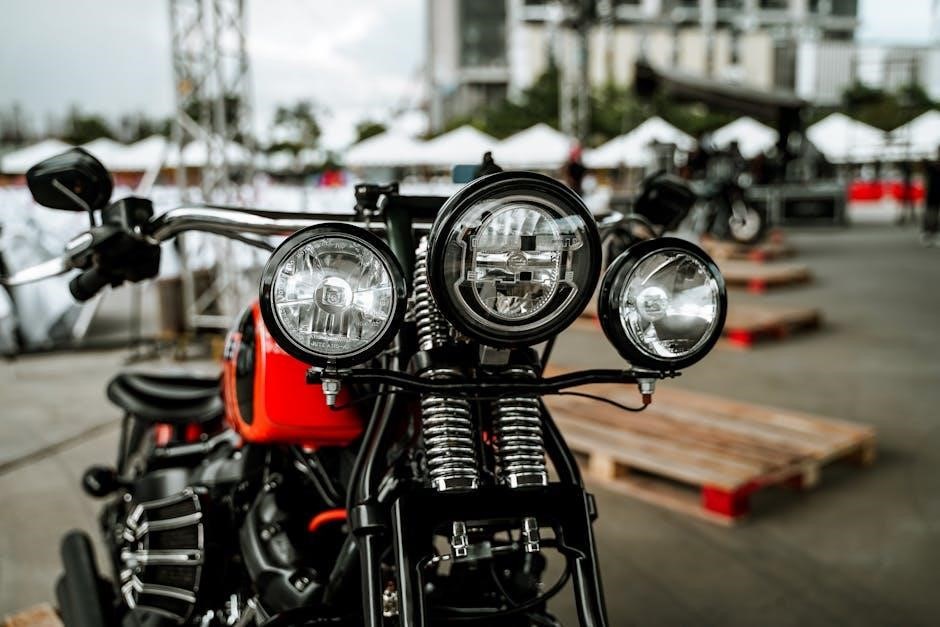
Choppers, bobbers, and cafe racers dominate custom builds, mirroring the Thunder brand’s aesthetic focus, demanding specific frame geometries detailed in available blueprint resources․
Chopper Frame Blueprints
Chopper frames, characterized by their radical rake and elongated designs, often require extensive modification or complete fabrication․ Free blueprints for choppers frequently focus on rigid or softail designs, catering to the custom aesthetic seen at events like Art of Speed․
However, finding comprehensive, high-quality plans can be challenging; many available resources are incomplete or require significant engineering knowledge to interpret safely․ Expect to encounter plans for various sub-styles, including traditional and modern chopper configurations, demanding careful review before construction begins․
Bobber Frame Blueprints
Bobber frames, known for their stripped-down aesthetic and minimalist approach, are popular choices for DIY builders․ Free blueprints often showcase hardtail designs, reflecting the classic bobber style․ Resources may include plans for modifying existing frames, particularly those from older motorcycles, aligning with the customization trends in Malaysia․
Expect variations in rear fender mounting and seat positioning within these plans․ Thoroughly assess the structural integrity of any free blueprint before committing to fabrication, prioritizing safety and roadworthiness․
Cafe Racer Frame Blueprints
Cafe racer frames prioritize a sporty, aerodynamic stance, often requiring modifications to existing designs․ Free blueprints frequently detail alterations for lower handlebars, rear-set footpegs, and a streamlined seat cowl․ Given the growing custom motorcycle scene, like the Thunder brand emerging in Malaysia, demand for these plans is high․
Look for plans specifying rake and trail adjustments for improved handling․ Always verify the blueprint’s suitability for your chosen engine and intended riding style․
Modifying Existing Blueprints
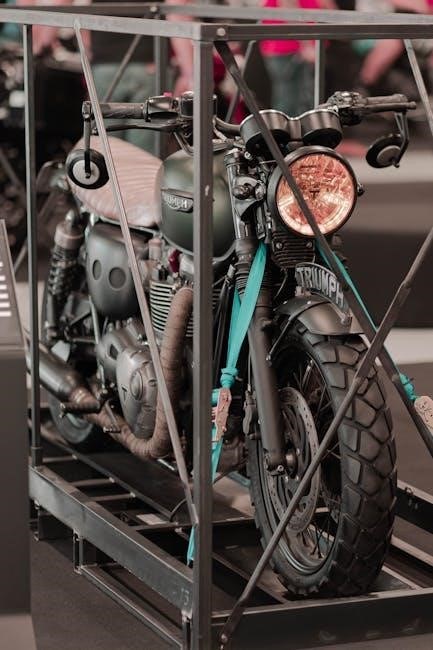
Adapting plans is common, mirroring the customization seen with brands like Thunder in Malaysia; scaling and engine-size adjustments are frequently needed for unique builds․
Scaling Blueprints
Successfully scaling free motorcycle frame blueprints requires careful attention to detail and understanding of proportional relationships․ Often, found plans aren’t perfectly suited to a builder’s desired size or rider dimensions․ Utilizing a consistent scale factor across all dimensions is crucial to maintain structural integrity․ Digital tools, or even graph paper, can aid in accurate resizing, ensuring all angles and measurements remain correct during the enlargement or reduction process․ Remember, altering scale impacts material quantities and weld points․
Adapting for Different Engine Sizes
Free motorcycle frame blueprints often cater to specific engine configurations; adapting them for different sizes demands careful consideration․ Engine mounting points are paramount – modifications must maintain proper alignment and load distribution․ Altering the frame’s backbone or downtubes may be necessary to accommodate larger engines, potentially requiring additional bracing for structural support․ Thoroughly assess clearances for components like exhaust and cooling systems, ensuring adequate space and functionality post-adaptation․
Customization and Personalization
Utilizing free motorcycle frame blueprints unlocks extensive customization potential․ Beyond engine swaps, consider modifying rake and trail angles for altered handling characteristics, mirroring styles like choppers or cafe racers seen at events like Art of Speed․ Integrating unique bodywork, adjusting seat positions, or incorporating custom lighting are all achievable․ Remember, substantial alterations necessitate re-evaluation of structural integrity and potential professional welding․
Risks and Challenges of DIY Frame Building
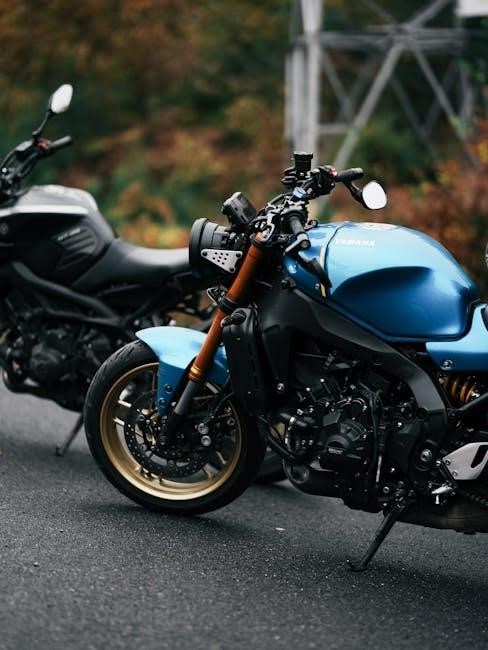
DIY frame construction carries inherent risks; structural failures can lead to accidents, as highlighted by the need for professional inspection and skilled welding techniques․
Structural Integrity Concerns
Utilizing free blueprints without thorough engineering validation poses significant structural risks․ Incorrect dimensions, material specifications, or weld points – common in unverified plans – can compromise frame strength; The Malaysian motorcycle market’s diverse offerings, from Kawasaki Versys to Aveta scooters, demonstrate complex engineering․ A DIY frame must withstand stresses from riding, braking, and impacts․ Failure could result in catastrophic accidents, emphasizing the critical need for precise execution and professional oversight to ensure rider safety and prevent potential legal liabilities․
Potential for Failure and Accidents
A poorly constructed frame, stemming from flawed free blueprints, dramatically increases the risk of mechanical failure during operation․ Considering the expanding Malaysian motorcycle landscape – including brands like ZXMoto and Thunder – safety is paramount․ Weak welds, improper tubing, or design flaws can lead to component separation, loss of control, and severe accidents․ Riders must acknowledge these dangers; a compromised frame jeopardizes not only the operator but also others on the road, necessitating extreme caution․
Importance of Professional Inspection
Given the rise of new motorcycles in Malaysia, like the Aveta Viper 180 and Kawasaki Versys 1100, ensuring structural integrity is crucial․ Relying solely on free motorcycle frame blueprints is risky․ A qualified, certified welder and motorcycle engineer must inspect all welds, geometry, and material choices․ This professional assessment identifies potential weaknesses before the bike hits the road, mitigating the severe risks associated with DIY frame construction and ensuring rider safety․
Alternatives to Building from Scratch
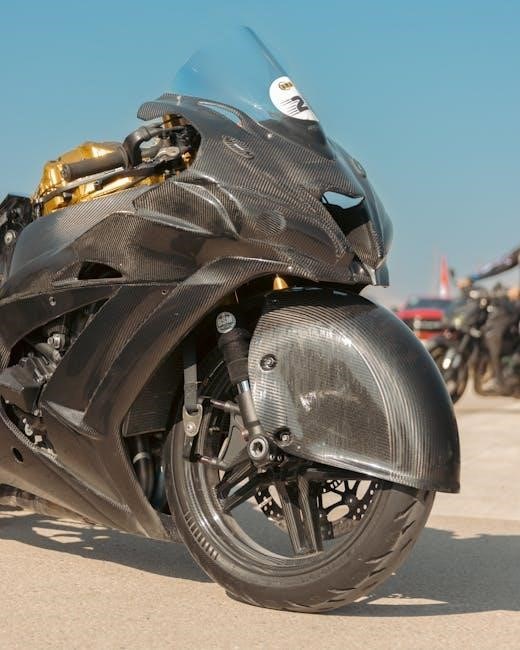
Considering the diverse Malaysian market – from ZXMoto to KTM’s 2026 Duke – frame kits offer a safer, quicker path than solely using free blueprints․
Purchasing Frame Kits
While free motorcycle frame blueprints offer a tempting starting point, purchasing a pre-fabricated frame kit presents a compelling alternative, especially given the evolving Malaysian motorcycle landscape with brands like Aveta and Kawasaki․ Kits ensure structural integrity, bypassing the risks associated with DIY welding and modifications․ They often include necessary hardware and pre-defined mounting points for engines and components, streamlining the build process․ This is particularly valuable considering the increasing complexity of modern motorcycles, mirroring the advancements seen in models like the NVX 155 SP and Versys 1100․
Modifying Existing Frames
Instead of a complete build from blueprints, modifying an existing motorcycle frame can be a practical route, aligning with the customization trends showcased at events like the Art of Speed featuring brands like Thunder․ This approach leverages existing structural integrity and simplifies regulatory hurdles․ Adapting a frame requires careful consideration of geometry and load-bearing points, similar to the engineering behind models like the KTM 1390 Duke Evo R․ It’s often more cost-effective than a full fabrication, especially with rising CKD bike prices in Malaysia․
Resources for Further Learning
Explore welding tutorials, motorcycle engineering books, and online communities to enhance skills – crucial for projects like customizing an Aveta Viper 180․
Welding Tutorials and Courses
Successfully building from free motorcycle frame blueprints demands proficient welding․ Online platforms offer numerous tutorials, covering techniques from MIG to TIG․ Consider hands-on courses; MForce’s expanding motorcycle distribution highlights the industry’s growth, necessitating skilled builders․ Mastering welding ensures structural integrity, vital given the risks of DIY frame construction, and complements customization efforts like those seen with Thunder motorcycles․
Motorcycle Engineering Books
Complementing free motorcycle frame blueprints, engineering books provide crucial theoretical understanding․ Explore texts detailing chassis design, stress analysis, and material science․ The introduction of models like the Aveta Viper 180 and Kawasaki Versys 1100 demonstrates complex engineering․ Solid knowledge mitigates structural risks, especially vital when modifying plans, and aids in adapting frames for diverse engine sizes, like KTM’s Duke range․
Online Communities and Experts
Leverage online motorcycle forums alongside free frame blueprints; communities offer invaluable practical advice․ With brands like Thunder gaining traction in custom builds, experienced builders can provide feedback on designs․ Considering the NVX 155 SP’s unique design, expert opinions are crucial․ Seek guidance on welding, material selection, and ensuring structural integrity – vital given the risks of DIY builds․
Frame building carries inherent risks; professional inspection is paramount․ Recent Malaysian motorcycle launches highlight safety standards – apply these principles to your build․
Legal Responsibility
Constructing a motorcycle frame demands strict adherence to local regulations, mirroring the standards expected of manufacturers like Kawasaki Versys 1100 and Aveta scooters entering the Malaysian market․ You assume full legal responsibility for ensuring your build complies with all applicable laws regarding vehicle safety and roadworthiness․ Failure to do so can result in fines, impoundment, and liability for any accidents caused by a non-compliant frame․ Thoroughly research and understand these regulations before commencing construction, and document all modifications meticulously․
Importance of Professional Guidance
Given the structural complexities, akin to the engineering behind models like the KTM 1390 Duke Evo R or the GWM Souo 2000, seeking expert advice is crucial․ A qualified motorcycle engineer or experienced welder can review your plans and welds, ensuring safety and compliance․ Don’t rely solely on free blueprints; professional insight mitigates risks and validates the integrity of your build, preventing potential failures and legal issues․