American Indian spirit guides, often manifesting as animals, are deeply rooted in Indigenous beliefs, serving as messengers and offering wisdom. These spirits connect individuals to the Creator and life’s journey.
What are Spirit Guides?
Spirit guides, within the context of American Indian traditions, are considered non-physical entities that offer guidance, protection, and support to individuals throughout their lives. They aren’t deities, but rather helpers on a spiritual path, often appearing in the form of animals – these are known as totem or power animals. These guides are believed to be connected to the Creator and possess ancient wisdom.
The concept stems from a belief in a interconnected spiritual realm where everything is alive and holds a spirit. These spirits can offer insights through dreams, signs, and intuitive feelings. They are seen as gifts, sent to assist us in navigating life’s challenges and fulfilling our purpose. Recognizing and working with one’s spirit guide is a deeply personal journey, fostering a stronger connection to the natural world and the spiritual realm. They illuminate our path and offer healing.

The Historical Context of Spirit Guides in Native American Cultures
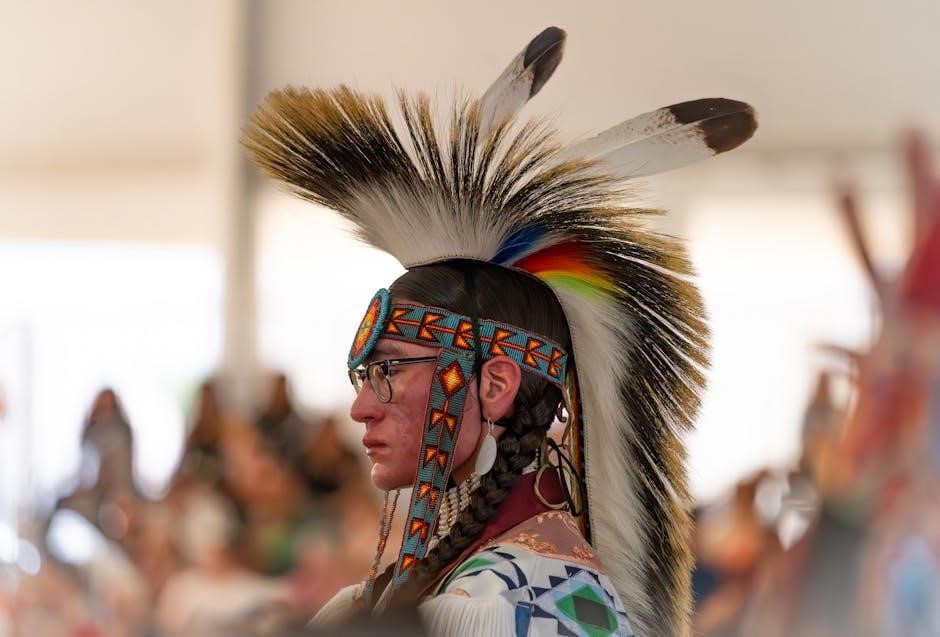
For millennia, Native American cultures have deeply revered the spirit world and the animals within it. The practice of seeking guidance from animal spirits isn’t a recent phenomenon, but a cornerstone of traditional beliefs and ceremonies. Totem animals played vital roles in rituals, aiming to invoke strength and wisdom for healing, hunting, and community well-being.
These beliefs predate European contact, forming an integral part of oral traditions passed down through generations; Each tribe developed unique relationships with specific animals, recognizing their symbolic meanings and spiritual power. A totem animal wasn’t merely a symbol; it was considered a lifelong companion, present in both the physical and spiritual realms. This connection fostered a profound respect for nature and a belief in the interconnectedness of all living things, shaping their worldview and way of life.
Key Animal Spirit Guides and Their Meanings
Several animals consistently appear as powerful spirit guides in Native American traditions, each embodying unique qualities and lessons. These include the Eagle, Bear, Wolf, Raven, and Spider.

The Eagle: Wisdom and Spiritual Connection
The Eagle holds a paramount position among American Indian spirit animals, revered for its soaring flight and keen vision. It symbolizes wisdom, courage, and a powerful connection to the divine or Creator. Considered the wisest of all spirits, the Eagle carries prayers to the heavens and represents illumination of spirit.
Historically, Eagle feathers are sacred and used in ceremonies, representing honor and respect. Receiving the Eagle as a spirit guide suggests a time for heightened spiritual awareness and a call to embrace one’s inner strength. The Eagle encourages a broader perspective, urging individuals to rise above challenges and see the bigger picture.
This majestic bird also embodies freedom and the ability to overcome obstacles. Its presence signifies a connection to higher truths and a reminder to live with integrity and purpose. The Eagle’s message is one of hope, renewal, and the courage to pursue one’s highest potential;
The Bear: Strength, Introspection, and Healing

The Bear is a potent symbol of strength, courage, and grounding within American Indian spiritual traditions. Often associated with introspection and healing, the Bear spirit guide encourages a journey inward to confront one’s shadows and embrace self-awareness. It represents primal power and the ability to stand one’s ground.
Historically, the Bear was deeply respected for its physical prowess and connection to the earth. Its hibernation period symbolizes a time for rest, renewal, and accessing inner wisdom. When the Bear appears as a spirit animal, it suggests a need for boundaries and self-protection.
The Bear also embodies maternal energy and nurturing qualities, offering comfort and support during times of vulnerability. It encourages individuals to tap into their instincts and trust their intuition. This spirit guide signifies a powerful connection to ancestral knowledge and the healing power of nature.
The Wolf: Loyalty, Intuition, and Freedom
The Wolf holds a significant place in American Indian symbolism, representing loyalty, strong family bonds, and a deep connection to intuition. Often seen as a teacher, the Wolf spirit guide encourages individuals to embrace their authentic selves and trust their inner wisdom. It embodies freedom and the courage to walk one’s own path.
Historically, wolves were revered for their hunting skills and pack mentality, symbolizing cooperation and community. Their haunting howl is often interpreted as a call to the spirit world, enhancing psychic abilities and awareness. When the Wolf appears, it signifies a time for heightened perception and clarity.
The Wolf also represents the importance of boundaries and protecting one’s energy. It encourages individuals to assert their independence while remaining connected to their tribe or community. This spirit guide embodies a powerful blend of wildness and devotion, urging a balance between personal freedom and collective responsibility.
The Raven: Transformation, Magic, and Prophecy
The Raven, a prominent figure in many American Indian traditions, particularly those of the Pacific Northwest, embodies transformation, magic, and the power of prophecy. Often depicted as a trickster, the Raven isn’t malicious but rather a catalyst for change, challenging norms and revealing hidden truths. It represents intelligence, adaptability, and the ability to navigate between worlds.
This spirit guide encourages individuals to embrace the unknown and explore the depths of their own potential. The Raven’s association with magic signifies the ability to manifest desires and shape reality through intention. It’s a reminder that illusions can be powerful tools for learning and growth.
Seeing the Raven can indicate a period of significant personal transformation is underway. It urges one to release old patterns and embrace new possibilities. The Raven’s prophetic nature suggests heightened intuition and a connection to future events, offering guidance and foresight on life’s journey.
The Spider: Creativity, Destiny, and Interconnectedness

The Spider, often misunderstood, holds a significant place in American Indian spirituality, symbolizing creativity, destiny, and the intricate web of life. Representing the Great Weaver, the Spider spirit is believed to have woven the universe into existence, connecting all beings and things. It embodies patience, resourcefulness, and the power of manifestation.
This spirit guide encourages individuals to tap into their creative potential and embrace their unique role in the grand scheme of things. The Spider’s web illustrates the interconnectedness of all life, reminding us that our actions have ripple effects. It signifies the importance of taking responsibility for our choices and understanding their consequences.
Encountering the Spider can indicate a time to focus on weaving your own destiny, creating the life you desire. It’s a reminder that you are the architect of your reality and possess the power to shape your future. The Spider also represents feminine energy, intuition, and the cyclical nature of life.

Beyond the Common Animals
While eagles, bears, and wolves are well-known, many other animals guide and teach within American Indian traditions, each possessing unique symbolism and power.
The Buffalo: Abundance, Gratitude, and Sacredness
The Buffalo holds a profoundly sacred position in many Plains Indian cultures, representing abundance, gratitude, and a deep connection to the Earth; Historically, the buffalo provided nearly every necessity for life – food, shelter, clothing, tools, and spiritual sustenance. This complete provision fostered a culture of immense respect and gratitude towards the animal.
As a spirit guide, the Buffalo encourages us to practice thankfulness for all blessings, both large and small. It signifies a time of plenty and invites us to share our abundance with others. The Buffalo also embodies strength, resilience, and the power of community, reminding us of the importance of cooperation and mutual support.
Connecting with the Buffalo spirit can help overcome feelings of lack and cultivate a sense of security and provision. It’s a powerful symbol of honoring the Earth and living in harmony with nature, urging us to acknowledge the sacredness in all things.
The Coyote: Trickster, Intelligence, and Adaptability
The Coyote, a prominent figure in many Native American traditions, is often perceived as a trickster – but this isn’t simply about mischief. The Coyote embodies intelligence, adaptability, and a willingness to challenge conventional norms. This spirit guide encourages us to embrace our own cleverness and find creative solutions to life’s obstacles.
Coyote teaches us to not take ourselves too seriously and to find humor even in difficult situations. Its adaptable nature highlights the importance of flexibility and resourcefulness, urging us to navigate change with grace and cunning. The Coyote spirit also represents a connection to the wild, untamed aspects of ourselves.
When the Coyote appears as a spirit guide, it may signal a need to question established beliefs or to approach a situation from a new perspective. It’s a reminder that sometimes, a little playful disruption can lead to profound growth and transformation.
The Deer: Gentleness, Grace, and Sensitivity
The Deer, a revered animal in numerous Native American cultures, symbolizes gentleness, grace, and a deep connection to the natural world. Often associated with innocence and kindness, the Deer spirit guide encourages us to lead with our hearts and approach life with a sense of peacefulness. It represents a harmonious existence and a gentle strength.
This spirit animal also embodies sensitivity and intuition. The Deer is highly attuned to its surroundings, and its presence as a guide suggests a need to trust your instincts and pay attention to subtle cues. It encourages vulnerability and emotional openness, reminding us that true strength lies in embracing our feelings.
When the Deer appears, it may be a call to cultivate inner peace and practice self-care. It’s a reminder to move through life with elegance and to appreciate the beauty that surrounds us.

Understanding Your Personal Spirit Guide
Discovering your spirit animal involves introspection, dream analysis, and recognizing recurring signs. These guides offer personalized direction on your unique life path and spiritual evolution.
How to Discover Your Spirit Animal
Embarking on a journey to uncover your spirit animal requires mindful attention and openness to the subtle cues of the natural world. Begin with quiet contemplation, spending time in nature to foster a deeper connection with your surroundings. Pay close attention to animals that repeatedly appear in your life, whether in physical form, dreams, or even symbolic representations like images or stories.
Consider animals you’ve always felt drawn to, those that evoke strong emotions or resonate with your personality. Journaling can be a powerful tool; record your encounters, dreams, and feelings associated with specific animals. Ask yourself: What qualities does this animal possess that I admire or identify with? What lessons might it be trying to teach me?
Meditation focused on animal imagery can also facilitate discovery. Visualize yourself interacting with different animals and observe your emotional response. Trust your intuition; the animal that consistently surfaces or feels most significant is likely your spirit guide. Remember, this is a personal journey, and the connection may unfold gradually.
Interpreting Dreams and Signs
Dreams often serve as a potent channel for spirit animal communication, offering symbolic insights into your life path. Pay attention to the animals that appear in your dreams – their behavior, the environment, and your emotional response are all crucial clues. A dream featuring a soaring eagle might symbolize a need for expanded perspective, while a bear could indicate a time for introspection and healing.
Beyond dreams, be observant of signs in your waking life. Repeated sightings of a particular animal, unexpected encounters, or even images and symbols that consistently appear can be messages from your spirit guide. Consider the animal’s natural characteristics and how they relate to your current circumstances.

Trust your intuition when interpreting these signs. What feelings arise when you encounter the animal? What challenges or opportunities are you currently facing? Your spirit animal communicates through symbolism, so look beyond the literal and explore the deeper meaning. Journaling your dreams and observations will help you discern patterns and understand the guidance being offered.
Working with Your Spirit Guide for Guidance
Once you’ve identified your spirit animal, actively cultivate a connection through meditation and mindful awareness. Create a sacred space where you can quiet your mind and open yourself to receive guidance. Visualize your animal guide and invite its energy into your life. Ask specific questions or seek clarity on challenges you’re facing, remaining open to the answers that come.
Regularly spend time in nature, observing the animal in its natural habitat (if possible). Study its behaviors, characteristics, and symbolism. Offer gratitude for its presence and guidance. You can also incorporate imagery of your spirit animal into your daily life – through art, jewelry, or simply keeping a picture nearby.
Remember that spirit guides offer support and wisdom, but ultimately, you are responsible for making your own choices. Trust your intuition and allow your spirit animal to empower you on your journey. Consistent communication and respect will strengthen your bond and deepen the guidance received.
Cultural Sensitivity and Respect
Respectful engagement with American Indian spirit guides requires avoiding appropriation and honoring Indigenous perspectives. Acknowledge the sacredness of these traditions and seek authentic knowledge.
Avoiding Appropriation and Misrepresentation
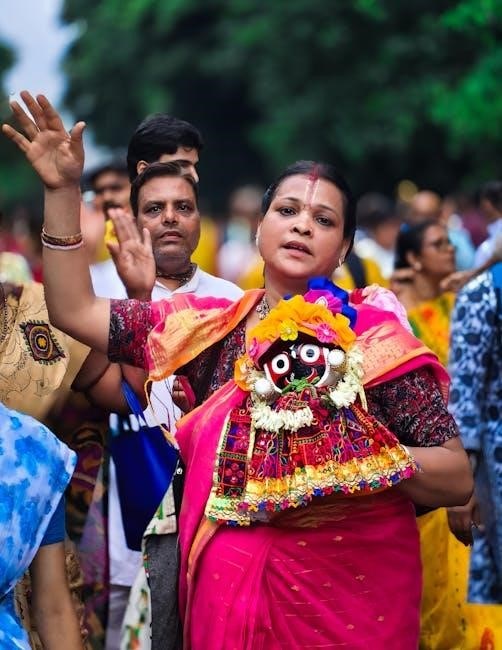
Engaging with American Indian spirit guides demands a conscious effort to avoid cultural appropriation and misrepresentation. It’s crucial to understand that these beliefs are not freely available for casual adoption or commercialization. Many traditions are sacred and hold deep significance within specific tribal contexts.
Simply adopting animal “totems” based on superficial interpretations gleaned from the internet diminishes their profound spiritual meaning. True understanding requires respectful learning from Indigenous communities, not about them through secondary sources. Avoid using imagery or terminology without proper context or permission.
Misrepresentation occurs when these complex systems are simplified, romanticized, or divorced from their original cultural framework. Be wary of generalized claims about “Native American” beliefs, as practices vary significantly between tribes. Prioritize authentic voices and perspectives, and actively challenge inaccurate portrayals. Supporting Indigenous artists and educators is a vital step towards respectful engagement.
The Importance of Indigenous Perspectives
Understanding American Indian spirit guides necessitates centering Indigenous perspectives. These aren’t universal concepts; each tribe possesses unique traditions, beliefs, and protocols surrounding spirit animals and their roles. Outsiders must acknowledge this diversity and avoid generalizations.
Genuine knowledge comes from direct engagement with tribal elders, knowledge keepers, and cultural practitioners – with respect and humility. Their guidance provides crucial context, preventing misinterpretations and ensuring ethical interaction with these sacred beliefs.
Indigenous perspectives emphasize the interconnectedness of all living things and the importance of reciprocity. Spirit animals aren’t simply “guides” to be utilized; they are relatives, teachers, and allies deserving of reverence. Listening to and amplifying Indigenous voices is paramount, allowing them to define and share their own spiritual traditions on their own terms. This fosters genuine understanding and avoids perpetuating harmful colonial narratives.