Bosch 300 Series Washing Machine Manual: A Comprehensive Guide
This manual details the Bosch 300 Series‚ covering installation‚ operation‚ maintenance‚ and troubleshooting for models like the Serie 8 WAV28M40AU․
Welcome to the world of Bosch 300 Series washing machines! This series represents a blend of innovative technology and reliable performance‚ designed to simplify your laundry routine․ Bosch consistently delivers high-quality appliances‚ and the 300 Series is no exception‚ offering a step up in features and efficiency compared to entry-level models․
This manual is specifically tailored for owners of Bosch 300 Series washers‚ providing detailed guidance on everything from initial setup and understanding wash programs to maintenance and troubleshooting․ Whether you’ve just purchased your machine or are a long-time user‚ this guide will help you maximize its potential․
The Bosch 300 Series‚ exemplified by models like the Serie 8 WAV28M40AU‚ incorporates features aimed at delivering exceptional cleaning results while protecting your garments․ Expect quiet operation‚ advanced wash cycles‚ and user-friendly controls․ This manual will unlock those capabilities․
Understanding Your Washing Machine Model
Your Bosch 300 Series washing machine is a sophisticated appliance‚ and familiarizing yourself with its specific components is crucial for optimal use․ Models‚ such as the Serie 8 WAV28M40AU‚ share core features but may have slight variations․ Locate the model number – typically found on a sticker inside the door or on the rear panel – as this is essential for accessing specific support resources․
Key components include the detergent dispenser‚ the drum (where your laundry resides)‚ the control panel‚ and the filter (vital for removing lint and debris)․ Understanding the function of each part ensures proper operation and maintenance․ Refer to the diagrams within this manual for visual identification․
Bosch prioritizes user experience‚ designing intuitive controls and informative displays․ This manual will guide you through interpreting the symbols and error codes‚ empowering you to confidently operate your machine․
Safety Precautions
Prioritize safety when operating your Bosch 300 Series washing machine․ Always disconnect the appliance from the power supply before any maintenance or cleaning․ Never attempt to repair the machine yourself; contact authorized service personnel for assistance – attempting self-repair can void the warranty and pose a safety risk․
Keep children and pets away from the washing machine during operation․ Do not allow them to play with the controls or climb on the appliance․ Ensure proper ventilation to prevent the build-up of potentially hazardous fumes․ Avoid overloading the machine‚ as this can cause damage and instability․
Only use detergents specifically designed for washing machines‚ following the manufacturer’s instructions․ Never use flammable liquids or solvents․ If the machine leaks‚ immediately disconnect it from the power and water supply․
Getting Started
Begin with careful installation‚ proper laundry loading techniques‚ and understanding the detergent dispenser for optimal performance of your Bosch 300 Series․
Initial Setup and Installation
Before operating your Bosch 300 Series washing machine‚ ensure proper setup and installation for peak efficiency and longevity․ Carefully unpack the appliance‚ removing all shipping materials and protective films․ Verify that the supplied water inlet hoses are securely connected to both the machine and the water supply‚ checking for leaks․
Position the washing machine on a level surface; adjustable feet are provided to compensate for uneven floors․ Proper leveling minimizes vibration and noise during operation․ Connect the drain hose correctly‚ ensuring it’s not kinked or obstructed․
Electrical connection must adhere to local codes‚ utilizing a grounded outlet․ After installation‚ run an initial empty wash cycle to flush out any residual debris from the drum and hoses․ Refer to the full manual for detailed diagrams and safety precautions during this crucial setup phase․
Loading Your Laundry
Optimal laundry loading is crucial for effective cleaning and preventing damage to your Bosch 300 Series washing machine․ Avoid overloading the drum‚ as this restricts garment movement and reduces washing performance․ Distribute items evenly around the drum’s center to maintain balance during the spin cycle․
Separate laundry by fabric type‚ color‚ and soil level․ Delicate items should be placed in a mesh laundry bag for added protection․ Check pockets for any objects – coins‚ keys‚ or pens – that could cause damage․
Do not wrap items around the drum‚ and ensure that larger items‚ like blankets‚ are loosely placed․ Refer to the garment care labels for specific washing instructions․ Following these guidelines will maximize cleaning results and prolong the life of your clothes and machine․
Detergent Dispenser Guide
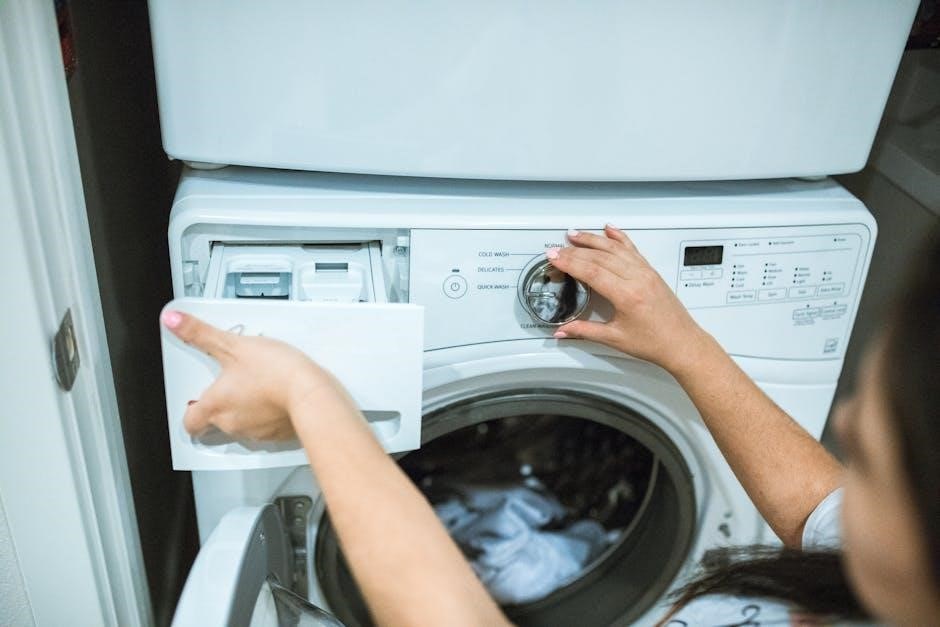
The Bosch 300 Series washing machine features a multi-compartment detergent dispenser․ Typically‚ compartment I is for pre-wash detergent‚ compartment II for main wash detergent‚ and a separate compartment for fabric softener․ Always use high-efficiency (HE) detergent‚ as standard detergents produce excessive suds that can affect performance․
Follow the detergent manufacturer’s instructions regarding dosage‚ adjusting based on load size and soil level․ Do not overfill the compartments‚ as this can lead to residue buildup․ For liquid detergents‚ ensure they flow freely and don’t solidify within the dispenser․
Regularly clean the detergent dispenser to prevent clogs and ensure optimal detergent delivery․ Refer to the ‘Maintenance and Cleaning’ section for detailed cleaning instructions․

Wash Programs Explained
The Bosch 300 Series offers programs like Normal/Cotton‚ Delicates‚ Permanent Press‚ Heavy Duty‚ Quick Wash‚ and Sanitize‚ catering to diverse laundry needs․
Normal/Cotton Program
The Normal/Cotton program is designed for everyday cotton and linen items‚ offering a balanced wash for typical soiling levels․ This program utilizes a mechanical action and temperature suitable for durable fabrics‚ ensuring effective cleaning while preserving garment integrity․ It’s ideal for items like t-shirts‚ underwear‚ bed sheets‚ and towels․
Typically‚ the Normal/Cotton cycle employs a moderate spin speed to remove excess water without causing excessive wrinkling or damage․ Users can often adjust the temperature settings within this program to accommodate different fabric types and soil levels – selecting warmer temperatures for heavily soiled items and cooler temperatures for brighter colors or delicate cottons․
For optimal results‚ avoid overloading the machine‚ as this can hinder proper cleaning and rinsing․ Always check garment care labels before selecting this program to ensure compatibility․ The duration of the Normal/Cotton cycle can vary depending on the load size and selected options‚ but generally falls within a standard timeframe for a complete wash․
Delicates/Silk Program
The Delicates/Silk program is specifically engineered for washing sensitive fabrics like silk‚ lace‚ lingerie‚ and other delicate items requiring gentle care․ This cycle utilizes a reduced mechanical action and lower water temperature to minimize stress on these fragile materials‚ preventing stretching‚ snagging‚ or damage․ It’s crucial for preserving the quality and appearance of your most cherished garments․
Typically‚ this program features a very slow spin speed or even a no-spin option to further protect delicate fabrics․ Using a mild detergent formulated for delicates is highly recommended․ Avoid using bleach or fabric softeners‚ as these can harm sensitive fibers․
Always place delicate items inside a mesh laundry bag for added protection during the wash cycle․ Check garment care labels before using this program‚ and never overload the machine․ The Delicates/Silk program ensures a gentle yet effective clean‚ extending the lifespan of your delicate wardrobe․
Permanent Press Program
The Permanent Press program on your Bosch 300 Series washing machine is designed for wrinkle-resistant fabrics like polyester‚ nylon‚ and blended materials․ This cycle employs a warm wash temperature and a moderate spin speed to effectively clean these fabrics while minimizing wrinkling and creasing․ It’s ideal for everyday clothing that requires a neat and presentable appearance with minimal ironing․
The program utilizes a unique wash motion and rinse cycle to help prevent wrinkles from setting in during the drying process․ Using a moderate amount of detergent is recommended; avoid overloading the machine to ensure proper fabric movement and cleaning․
For best results‚ remove items promptly from the washer after the cycle completes and either hang or tumble dry on a low setting․ This program helps maintain the shape and appearance of your permanent press garments‚ saving you time and effort on ironing․
Heavy Duty Program
The Heavy Duty program on your Bosch 300 Series washing machine is specifically engineered to tackle heavily soiled items and durable fabrics like towels‚ jeans‚ and work clothes․ This cycle utilizes a higher wash temperature and a vigorous wash action to effectively remove stubborn dirt‚ grime‚ and stains․ A powerful spin cycle extracts more water‚ reducing drying time․
For optimal cleaning performance‚ pre-treat heavily soiled areas before loading․ Use a higher detergent dosage‚ appropriate for the level of soil and load size․ Avoid washing delicate items or fabrics prone to shrinking in this program․
The Heavy Duty cycle is designed for robust fabrics that can withstand a more intense washing process․ Ensure the machine isn’t overloaded to allow for proper agitation and thorough cleaning․ This program delivers a deep clean for your toughest laundry challenges․
Quick Wash Program
The Quick Wash program on your Bosch 300 Series washing machine is ideal for lightly soiled laundry that requires a fast refresh․ This cycle significantly reduces wash time‚ typically completing a load in under 30 minutes‚ making it perfect for busy schedules or small loads․ It utilizes a moderate wash action and temperature to efficiently clean items without excessive energy consumption․
This program is best suited for items that haven’t accumulated heavy soiling‚ such as recently worn clothes or lightly stained linens․ Use a reduced detergent dosage to prevent residue buildup․ Avoid overloading the machine‚ as this can compromise cleaning performance․
The Quick Wash cycle offers a convenient solution for quickly cleaning lightly soiled items‚ saving both time and energy․ It’s a practical option for everyday laundry needs when a full wash cycle isn’t necessary․
Sanitize Program
The Sanitize program on your Bosch 300 Series washing machine is designed to eliminate bacteria and allergens‚ providing a deep and hygienic clean․ This cycle utilizes a higher water temperature – typically around 140°F (60°C) – maintained for an extended period‚ effectively killing germs and reducing allergens like dust mites and pollen․
This program is particularly beneficial for washing items like bedding‚ baby clothes‚ towels‚ and healthcare garments․ It’s also recommended for individuals with allergies or sensitivities․ Ensure the fabrics are suitable for high-temperature washing before selecting this cycle․
The Sanitize program offers a powerful cleaning solution for items requiring a thorough disinfection․ While effective‚ it consumes more energy than standard wash cycles due to the prolonged heating of water․ Always consult the garment care label before use․
Control Panel and Display
The control panel features intuitive buttons and symbols for cycle selection‚ options‚ and start/pause functionality‚ alongside a clear display showing indicators and error codes․
Understanding the Buttons and Symbols
Navigating the Bosch 300 Series washing machine’s control panel is straightforward once you understand the buttons and symbols․ The Power button‚ typically marked with a circle and vertical line‚ initiates or deactivates the machine․ Cycle selection buttons‚ often displaying icons representing different fabric types (cotton‚ delicates‚ etc․)‚ allow you to choose the appropriate wash program․
Option buttons‚ indicated by symbols like a temperature setting or spin speed‚ modify the selected cycle․ A Start/Pause button‚ usually a triangle within a circle‚ begins or temporarily halts the wash process․ Display indicators illuminate to show the cycle progress‚ remaining time‚ and any selected options․ Error codes‚ displayed as alphanumeric combinations‚ signal potential issues requiring attention․
Refer to the full manual for a detailed explanation of each symbol and its corresponding function‚ ensuring optimal machine operation and preventing accidental misuse․ Familiarizing yourself with these controls enhances your laundry experience․
Display Indicators and Error Codes
The Bosch 300 Series washing machine’s display provides crucial information during operation․ Indicators illuminate to show the selected wash program‚ remaining time‚ temperature‚ spin speed‚ and any active options like ‘Extra Rinse’ or ‘Delay Start’․ A progress bar visually represents the cycle’s advancement through phases like washing‚ rinsing‚ and spinning․
Error codes‚ displayed as alphanumeric combinations (e․g․‚ E15‚ F03)‚ signal malfunctions requiring attention․ These codes pinpoint the source of the problem‚ ranging from water supply issues to drainage blockages or internal component failures․ The manual provides a comprehensive list of error codes and their corresponding solutions․
Consult the manual immediately upon encountering an error code; attempting to operate the machine without addressing the issue could cause further damage․ Ignoring error messages can void the warranty․
Start/Pause Button Functionality
The Start/Pause button on your Bosch 300 Series washing machine serves a dual purpose‚ initiating and interrupting the wash cycle․ Pressing the button once after program selection begins the chosen wash program․ The display will show the remaining cycle duration․
To pause the cycle mid-wash – for adding forgotten items‚ for example – press the Start/Pause button again․ The machine will halt‚ and the button will illuminate‚ indicating the paused state․ The door can then be unlocked (after a short delay for safety) to allow access to the drum․
Pressing the Start/Pause button a second time resumes the cycle from where it left off․ Note that pausing and restarting may slightly alter the overall cycle time․
Maintenance and Cleaning
Regular cleaning of the detergent dispenser‚ drum‚ filter‚ and exterior ensures optimal performance and longevity of your Bosch 300 Series washing machine․
Cleaning the Detergent Dispenser
To maintain optimal washing performance‚ regularly clean the detergent dispenser of your Bosch 300 Series washing machine․ Residue buildup can cause clogs and affect detergent distribution․ Begin by removing the dispenser drawer – typically‚ a release button or latch needs to be pressed․
Once removed‚ separate all compartments․ Rinse each compartment thoroughly under warm running water‚ using a soft brush to dislodge any hardened detergent or fabric softener․ Pay close attention to the pre-wash compartment and the main wash compartment‚ as these areas tend to accumulate residue more quickly․
For stubborn buildup‚ soak the compartments in warm water with a mild cleaning agent․ Ensure all traces of the cleaning agent are rinsed away before reassembling․ Finally‚ dry the compartments completely before reinserting them into the washing machine․ A clean dispenser ensures efficient detergent usage and prevents potential issues․
Cleaning the Drum
Regularly cleaning the drum of your Bosch 300 Series washing machine is crucial for hygiene and performance․ While self-cleaning cycles are helpful‚ periodic manual cleaning is still recommended․ Use a commercially available washing machine cleaner‚ following the product’s instructions carefully․ Alternatively‚ a solution of white vinegar and baking soda can be effective․
Pour approximately two cups of white vinegar into the detergent dispenser and sprinkle half a cup of baking soda directly into the drum․ Run a hot water cycle‚ preferably the ‘Clean Washer’ program if available‚ or a normal cycle with the highest temperature setting․
After the cycle completes‚ wipe down the drum interior with a clean‚ damp cloth to remove any remaining residue․ Leave the door ajar to allow the drum to air dry completely‚ preventing mildew and odors․ This process helps eliminate bacteria and maintain a fresh-smelling laundry experience․
Cleaning the Filter
The Bosch 300 Series washing machine filter requires regular cleaning to prevent blockages and ensure optimal drainage․ Located typically at the lower front of the machine‚ behind a small access panel‚ the filter traps lint‚ debris‚ and small objects․ Before cleaning‚ ensure the machine is switched off and unplugged for safety․
Place a shallow container or towel under the access panel to catch any residual water․ Carefully open the panel and unscrew the filter cap – be prepared for water to flow out․ Remove the filter and thoroughly rinse it under running water‚ removing all accumulated lint and debris․
Inspect the filter housing for any obstructions and clean it as needed․ Reinsert the cleaned filter‚ ensuring it’s securely tightened․ Close the access panel․ Regular filter cleaning‚ ideally monthly‚ prevents drainage issues and prolongs the machine’s lifespan․
Exterior Cleaning Instructions
Maintaining the exterior of your Bosch 300 Series washing machine is simple and contributes to its longevity and appearance․ Always disconnect the machine from the power supply before cleaning․ Use a soft‚ damp cloth with mild detergent to wipe down the cabinet‚ control panel‚ and door․ Avoid abrasive cleaners‚ scouring pads‚ or harsh chemicals‚ as these can damage the finish․
For stubborn stains‚ a slightly stronger detergent solution can be used‚ but test it on an inconspicuous area first․ Pay attention to the detergent dispenser area‚ ensuring no residue builds up․ After cleaning‚ wipe all surfaces with a clean‚ damp cloth to remove any soap residue․
Dry the exterior thoroughly with a soft towel․ Regularly cleaning the exterior prevents grime buildup and keeps your machine looking its best․ Avoid spraying water directly onto the machine’s electrical components․

Troubleshooting Common Issues
This section addresses typical problems like the machine not starting‚ water drainage failures‚ error code interpretations‚ and potential leaking concerns․
Machine Not Starting
If your Bosch 300 Series washing machine fails to start‚ several factors could be at play․ First‚ verify the power supply – ensure the machine is properly plugged into a functioning outlet․ Check the circuit breaker or fuse box to confirm no trips have occurred․ Next‚ examine the Start/Pause button; a brief press should initiate the cycle․
If the machine still doesn’t respond‚ the door latch might be the culprit․ The machine won’t start if the door isn’t securely closed and latched․ Inspect the latch for any obstructions or damage․ Additionally‚ some models feature a child lock function; ensure it’s deactivated․
Error codes displayed on the control panel can provide valuable clues․ Consult the ‘Display Indicators and Error Codes’ section of this manual to decipher the meaning of any displayed code․ If the issue persists after these checks‚ contacting a qualified technician is recommended‚ as internal components may require professional attention․
Water Not Draining
If your Bosch 300 Series washing machine isn’t draining water‚ begin by checking the drain hose․ Ensure it isn’t kinked‚ twisted‚ or blocked․ Verify the hose is correctly positioned in the drainpipe‚ and that the drainpipe isn’t clogged itself․ A common issue is lint or small objects obstructing the drain pump․
The drain pump filter requires regular cleaning․ Locate the filter access panel (usually at the front‚ bottom of the machine) and carefully remove and clean the filter‚ removing any debris․ Ensure the filter is securely reinstalled afterward․
If the problem continues‚ an error code may be displayed․ Refer to the ‘Display Indicators and Error Codes’ section for assistance․ In some cases‚ a blocked internal drain line might be the cause‚ requiring professional service․ Do not attempt to disassemble internal components yourself․
Error Code Resolution
Bosch 300 Series washing machines utilize error codes to indicate specific issues․ These codes appear on the control panel display‚ assisting in diagnosis․ Consult the comprehensive list in the ‘Display Indicators and Error Codes’ section of this manual for a detailed explanation of each code․
Common errors include water supply issues (code E15)‚ drainage problems (E24)‚ or door lock malfunctions․ Often‚ simply pausing the machine‚ disconnecting power for a few minutes‚ and restarting can resolve minor glitches․
For persistent errors‚ note the specific code and refer to the troubleshooting guide․ Do not attempt repairs beyond basic checks if you are not a qualified technician․ Contacting Bosch customer support or a certified repair service is recommended for complex issues or if you are uncomfortable performing any troubleshooting steps․
Leaking Issues
Water leaks from your Bosch 300 Series washing machine require immediate attention to prevent damage․ First‚ ensure the water supply hoses are securely connected to both the machine and the water source․ Check for cracks or damage to the hoses and replace them if necessary․
Inspect the drain hose connection to the drainpipe‚ verifying a snug fit․ Leaks can also originate from the detergent dispenser; ensure it’s properly inserted and not overflowing․ If leaks persist‚ examine the door seal for tears or debris‚ cleaning it thoroughly․
If the leak continues and you are uncomfortable investigating further‚ do not attempt self-repair․ Contact a qualified technician to diagnose and resolve the issue․ Ignoring leaks can lead to significant water damage and potential electrical hazards․
Technical Specifications
Bosch 300 Series machines‚ like the WAV28M40AU‚ offer details on dimensions‚ weight‚ water consumption‚ and energy efficiency ratings for informed usage․
Dimensions and Weight
Understanding the physical specifications of your Bosch 300 Series washing machine is crucial for proper installation and ensuring it fits seamlessly into your laundry space․ While specific dimensions vary slightly between models – such as the Serie 8 WAV28M40AU – a general guideline can be provided․ Typically‚ these machines have a height ranging from approximately 33 to 34 inches (83․8 to 86․4 cm)‚ a width of around 24 inches (60 cm)‚ and a depth of approximately 25 to 26 inches (63․5 to 66 cm)․
Weight is another important factor‚ particularly when considering flooring support and ease of movement during installation or servicing․ The Bosch 300 Series washing machines generally weigh between 140 to 170 pounds (63․5 to 77 kg) when empty․ Always consult the specific model’s documentation for precise measurements and weight details to guarantee a correct and safe setup․ Accurate knowledge of these specifications prevents installation issues and ensures optimal performance․
Water Consumption
Efficient water usage is a key feature of the Bosch 300 Series washing machines‚ designed with sustainability and cost-effectiveness in mind․ Water consumption varies depending on the selected wash program and load size‚ but Bosch prioritizes minimizing water waste․ A standard cottons program‚ for example‚ typically uses between 8 to 14 gallons (30 to 53 liters) of water per cycle․
Eco programs‚ specifically engineered for reduced resource usage‚ can lower water consumption even further‚ often using as little as 6 to 9 gallons (23 to 34 liters)․ Quick wash cycles naturally consume less water‚ generally around 4 to 6 gallons (15 to 23 liters)․ Always refer to the specific program details in this manual or on the machine’s display for accurate water usage estimates․ Understanding these figures allows you to choose the most appropriate cycle for your laundry needs and contribute to water conservation․
Energy Efficiency Ratings
Bosch 300 Series washing machines are engineered for optimal energy performance‚ often exceeding standard industry requirements․ These machines typically receive high energy efficiency ratings‚ contributing to lower utility bills and a reduced environmental impact․ The Energy Star certification is frequently awarded to these models‚ signifying their adherence to strict energy-saving criteria․
Energy consumption per wash cycle varies based on program selection‚ water temperature‚ and load size․ Eco programs are specifically designed to minimize energy usage‚ often consuming significantly less electricity than standard cycles․ Detailed energy consumption information‚ expressed in kilowatt-hours (kWh) per cycle‚ can be found on the machine’s energy label and within the program descriptions in this manual․ Utilizing cooler water temperatures and fully loading the machine also maximizes energy efficiency․